This article is part of the campaign EDIT.BG. A national survey of the digital ecosystem in Bulgaria
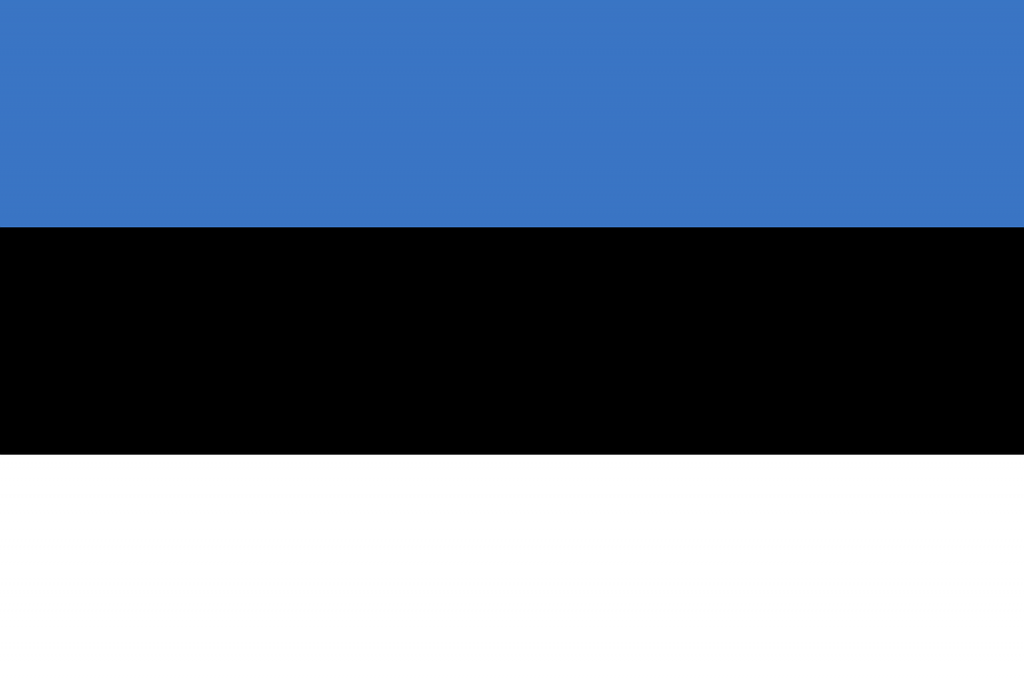
One of the smallest countries of the former Soviet Union managed to transform itself into a digital hub of Europe, with administration, which is exclusively based on digital technology. What is the process that Estonia went through to achieve its current successful development?
Thanks to the digital movement, today the country is benefiting from: electronic ID`s, electronic electoral system, electronic tax payment, electronic medical care records, online enterprise registration in the span of 10 minutes and school classes material always available online.
When in 1960 the Institute of Cybernetics was established with the aim of promoting the field of information technology, this marked the start of Estonia`s transformation into a country with flourishing technology. After the dissolution of the Soviet Union, the Estonian government saw the events as a clean slate. This was their chance to build a political and administrative system from scratch.
Even before officially becoming president of Estonia, Toomas Hendrik Ilves was working towards the development and growth of digital technology in Europe.
The skills and competences that won him the appellation of a technocrat have affected the unique development of Estonia and its citizens have been made more prone to accept such processes.
Investors and entrepreneurs in the country know that their potential future partners and customers already use digital technology in their everyday life and they are not afraid of experimenting with it. Furthermore, they are reassured that the government is working towards the growth and development of the digital business sector and this provides security for them.
One of the many ways in which the Estonian economy is benefiting from this technological boom is the electronic citizenship.
Through it people who do not physically live in Estonia can get many of the benefits of being an Estonian citizen including the opportunity to register their business online in just a couple of minutes. This encourages a lot of people to base their companies in Estonia while allowing for them to be operated from any part of the world. The tax payments and the business generated for the Estonian banks also supports the Estonian economy. Today 99% of all banking transactions are made online.
88.4% of the population uses the internet and this makes the integration of any electronic elements of the administration easier and fosters their use by an even greater number of people.
As Toomas Hendrik Ilves argues, the electronic administration has made the Estonian government one of the most transparent in the world. This makes the country an even more attractive destination not only for starting a business but also for acquiring Estonian citizenship.
According to Kalle Palling- the Chairman of the Estonian Parliament's European Union Affairs Committee, shared economy and digitalization benefit the economy and result in higher living standards. He furthermore claims that Estonia’s focus on the digitalization of the economy with the support of the shared economy increased the purchasing power of the country with population of 1.3 million up to 73% above EU level. A quarter of a century earlier the level was around 35%.
What is preventing other countries from following Estonia’s example?
Considering that the infrastructure of one element of an electronically based administration once implemented can serve 1 million people just as well as it would serve 5 million, different elements of such an electronic administration can be integrated in different countries with various populations.
Hardly one unsolved debate on the topic of electronic voting prevents any efforts towards the integration of digital technology in Bulgaria. Here we are talking about the first step. If in Estonia this was the opening of the Institute of Cybernetics or the creation of Skype then in Bulgaria it can be a national survey and analysis of our digital ecosystem. What is key is that the efforts do not stop and that the government is systematically working towards promoting the use of as well as implementing digital technologies. What is key is that the ambitious and competent young people with skills in the digital sphere and ideas for development have the opportunity to exchange ideas with mentors and sponsors.
The growth and development of the digital sector would immensely benefit our economy as well as our administration and governance. As Toomas Hendrik Ilves once said: ‘’ You cannot bribe a computer!”
Source: Capital: Shared economy will be growing with double digit percentages